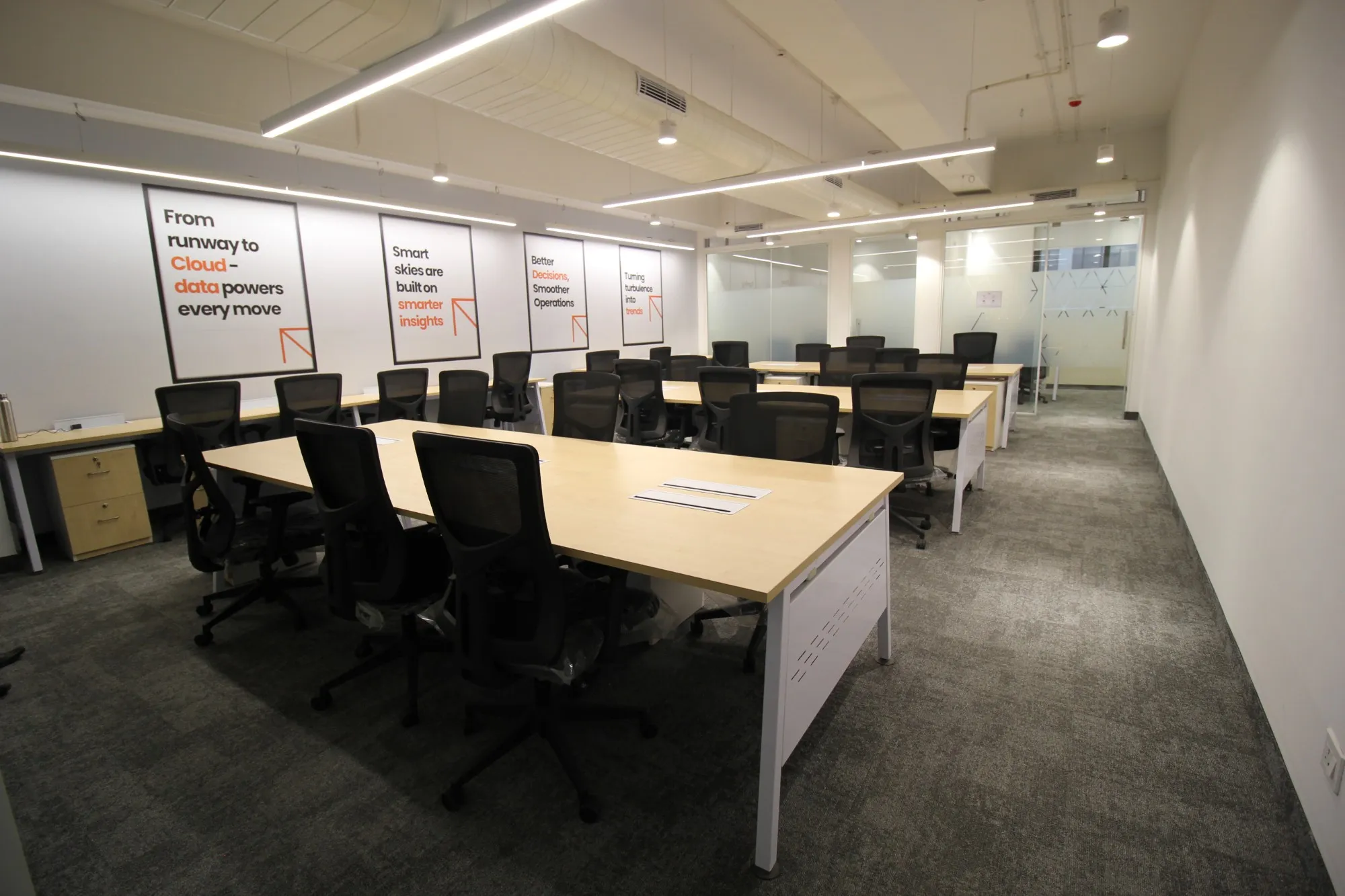

Office Space in Gurgaon: A Procurement Framework for SLAs, Vendor Governance and Service Accountability for Enterprises
An enterprise office agreement establishes the operating conditions under which employees serve customers, handle information and coordinate business decisions. When those conditions are poorly specified, service interruptions can lead to disputed responsibilities and delayed recovery.
For organisations evaluating office space in Gurgaon, the procurement challenge is to translate business requirements into measurable commitments. “Reliable connectivity”, “power backup” and “dedicated support” describe intentions. They become useful obligations only when the agreement defines coverage, measurement, ownership and consequences.
A sound procurement framework connects the service specification, supplier assessment and governance process before approval.
Define the Service Boundary Before Comparing Office Proposals#
Begin with a service responsibility schedule covering the occupier, workspace provider, property owner and specialist contractors.
For every critical service, identify who supplies it, maintains it, monitors performance and coordinates recovery. Distinguish included services from optional arrangements and occupier responsibilities.
This matters where the workspace provider depends on building management for cooling, lifts or electrical infrastructure. The occupier needs a clear escalation owner even when another organisation performs the repair.
ISO’s guidance on strategic sourcing and agreement development in facility management provides a relevant reference for structuring procurement discussions. Referring to that guidance does not establish that a particular provider is certified or that a proposed contract satisfies the standard.
When comparing managed office space in Gurgaon, issue the same service schedule to every shortlisted provider. Otherwise, proposals may represent materially different operating commitments.
Office SLAs: Specify Outcomes That Can Be Measured#
A service level agreement should define the service, operating window, performance threshold, measurement source and treatment of exceptions.
The following framework illustrates what enterprise procurement should establish. Targets must be negotiated against the business requirement and verified delivery capability.
| Service | Required definition | Evidence and accountability |
|---|---|---|
| Connectivity | Measurement point, availability window, capacity and failover scope | Monitoring logs, test results and named incident owner |
| Power continuity | Supported loads, transfer arrangements and backup duration | Load schedules, maintenance records and witnessed tests |
| Cooling | Agreed conditions, occupied zones and service hours | Sensor records, inspection results and restoration procedure |
| Access and security | Access hours, visitor processing and incident handling | Access records, staffing arrangements and escalation contacts |
| Meeting facilities | Included capacity, booking rights and equipment readiness | Booking data, readiness checks and alternative arrangements |
Avoid using a single availability metric for the entire office. Connectivity, cooling and access can fail independently while the premises remain technically open.
An SLA should reflect whether the contracted service is usable for its intended purpose.
Understand What an Availability Commitment Actually Permits#
An availability percentage has meaning only alongside its denominator. A service measured throughout the day permits a different interruption duration from the same percentage applied only during designated working hours.
Translate the proposed target into permitted interruption time over the agreed reporting period. Ask whether that interruption would remain acceptable for the affected business process.
Define when an incident starts, how partial degradation is treated and when service is considered restored. An incident should not disappear from reporting because the occupier could not immediately raise a ticket.
Planned maintenance also requires boundaries. Specify notice periods, permitted windows and whether repeated maintenance exclusions could undermine the service the enterprise expects.
Use independent or mutually accessible evidence where practical. Provider-generated summaries alone may leave procurement unable to reconcile disputed performance.
Separate Response, Restoration and Permanent Resolution#
A prompt acknowledgement does not mean an interruption has been resolved.
Define response as acceptance and ownership of the incident. Define restoration as returning the service to an agreed usable condition, potentially through a workaround. Permanent resolution addresses the underlying cause.
Establish acknowledgement, update and restoration expectations appropriate to severity and technical capability. These are negotiated procurement requirements rather than universal benchmarks or confirmed Onward commitments.
Severity should follow business impact. A network fault affecting a customer delivery floor may require different treatment from a faulty display in an unused room.
Require a named incident lead and a communication channel that remains available during disruption. For recurring failures, request root-cause analysis, corrective actions, accountable owners and evidence that the remedy worked.
Vendor Governance: Assess the Organisation Behind the Office#
Service accountability depends on the provider’s capacity to manage its obligations.
Review organisational resilience, relevant operating experience, staffing coverage, maintenance arrangements and critical subcontractors. Establish which services depend on third parties and how those dependencies are governed.
Inspect the provider’s authority to offer the proposed premises and the continuity of the underlying property arrangement. The workspace contract should address what happens if that arrangement changes.
For enterprises procuring across multiple locations, apply common reporting definitions. An incident at office space in Udyog Vihar should be classified consistently with a comparable event at MG Road or Sohna Road.
Consistency allows the organisation to identify systemic weaknesses rather than treating every interruption as an isolated local issue.
Connect Remedies With Operational Exposure#
An incident remedy should be assessed alongside the operational consequence of failure. A contractual mechanism does not, by itself, restore customer delivery or remove recurring infrastructure weaknesses.
Review notification requirements, evidence obligations, exclusions, corrective-action procedures and the interaction between available remedies. Ensure the occupier can obtain the information needed to verify performance.
Repeated failure requires separate consideration. Procurement and legal teams should examine escalation rights, remediation milestones and agreed exit mechanisms.
Expansion, customisation and change requests also need controls. Document approval authority, delivery dates and effects on existing commitments. Informal service changes can create significant scope disputes.
Establish Acceptance and Ongoing Oversight#
Service obligations should begin from a documented acceptance baseline.
Before occupation, reconcile the delivered layout, infrastructure tests, asset inventory, operating hours and support contacts with the contracted specification. Record outstanding items and their closure conditions.
Use a governance cadence appropriate to the operation: frequent transition reviews, regular service reviews and periodic executive oversight. Reporting should cover availability, incident recurrence, restoration performance, maintenance completion and unresolved risks.
Onward’s Gurgaon page advises buyers to confirm inclusions, operating conditions and terms for their shortlist. Enterprise procurement should develop those discussions into a property-specific service schedule and governance proposal.
When approaching Onward Workspaces, provide operating hours, critical dependencies, reporting requirements and escalation expectations alongside the seating brief. The approval decision should show what services are committed, how performance will be verified and who remains accountable when service falls short.
Frequently Asked Questions#
What should an enterprise office SLA include?#
Define service scope, operating hours, performance thresholds, measurement sources, incident severity, restoration expectations, exclusions, reporting and agreed remedies.
What is the difference between response and restoration time?#
Response time measures how quickly an incident is acknowledged and assigned. Restoration time measures how quickly the service returns to an agreed usable condition.
What should enterprises examine when a service repeatedly fails?#
Review root-cause evidence, corrective-action ownership, remediation milestones, escalation rights and agreed exit mechanisms.
How should enterprises govern multiple office locations?#
Use consistent service definitions, incident classifications and reporting. Assign local operational owners and central oversight for supplier performance and recurring risks.